
How to Make Nylon Zippers: A Look at the Process and Machines
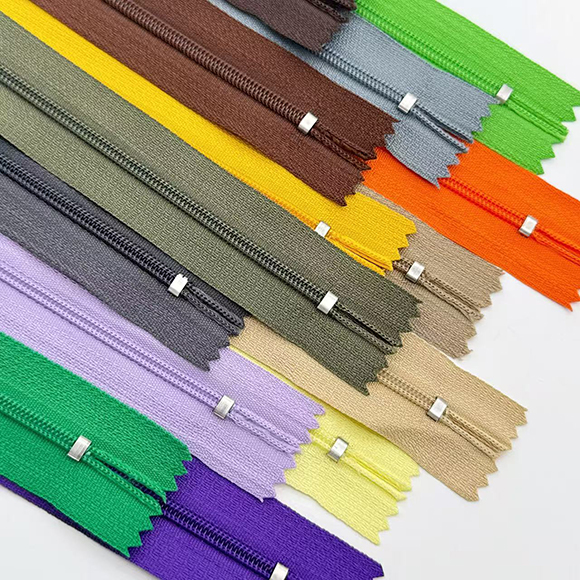
Step 1: Raw Materials
The main materials required for manufacturing nylon zippers are:
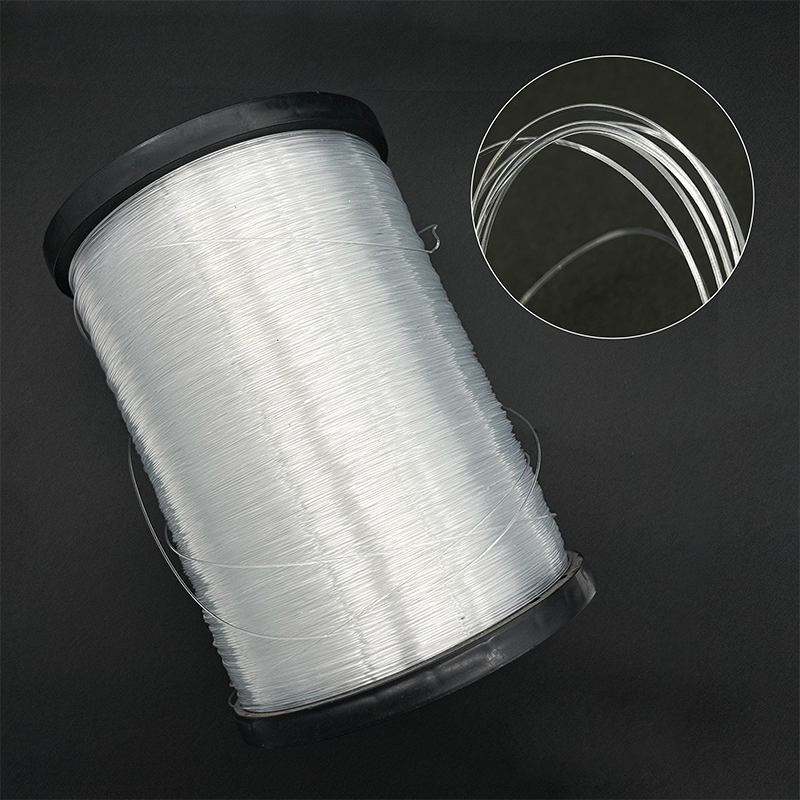
1.Nylon Monofilament: This is the core material for making the zipper teeth. It is a continuous, smooth, tough, and high-strength nylon thread, typically wound on spools.
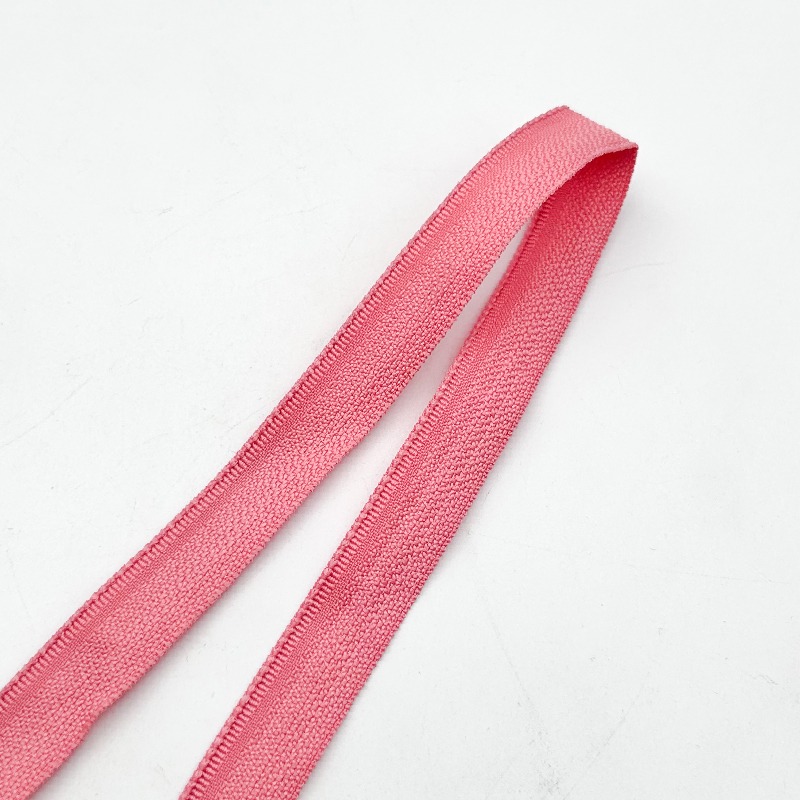
2.Tape: Usually a sturdy woven tape made from polyester or nylon. The edges of the tape are coated with a hot-melt adhesive to better secure the teeth during the manufacturing process and facilitate ultrasonic cutting.
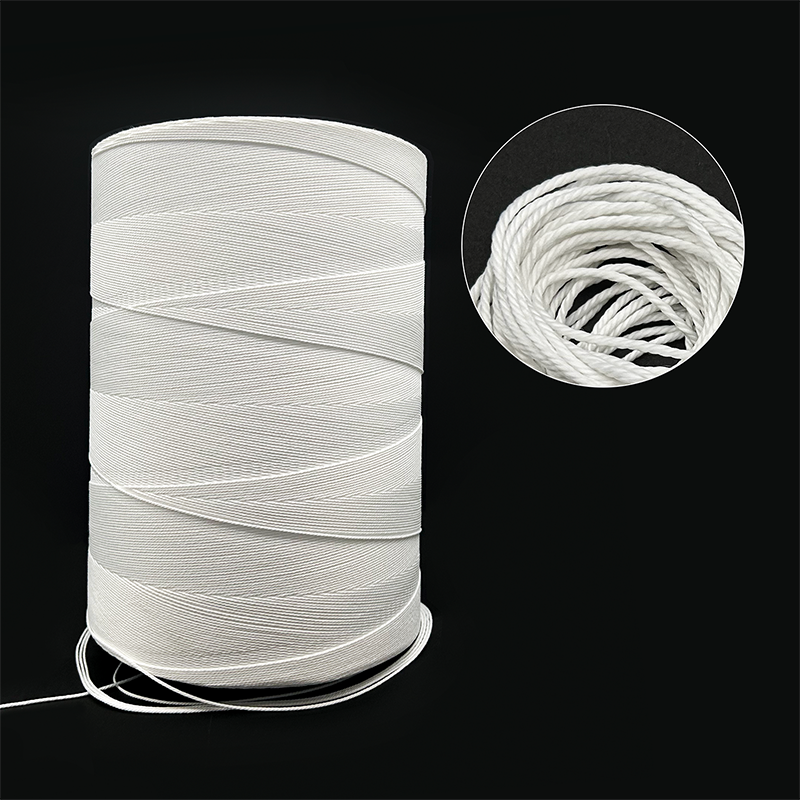
3.Sewing Thread: High-strength polyester thread is used to stitch the nylon teeth onto the tape.
4.Slider (Pull Tab): Typically made of zinc alloy, die-cast zinc, or plastic. It is the key component that opens and closes the zipper.
5.Top Stop and Bottom Stop: Usually made of plastic (POM, NYLON) or metal, they limit the travel of the slider.
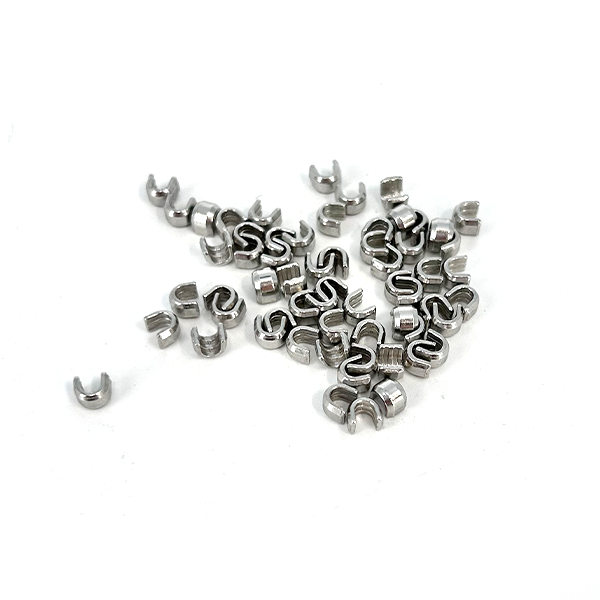
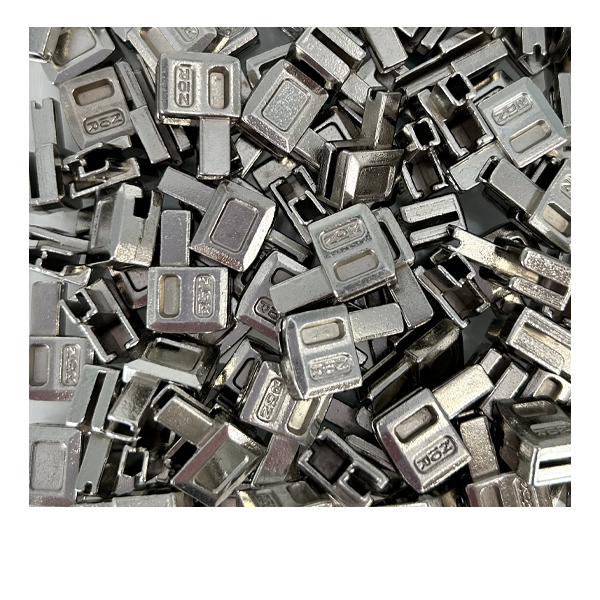
6.Pin and Box (for Open-End Zippers): Components used for open-ended zippers like those on jeans.
Step 2: Key Machinery and Manufacturing Process
Modern nylon zipper production is typically completed on a highly automated production line. The core process flow and required machinery are as follows:
Key Process Steps Explained:
-
Coiling and Sewing Process
-
Machine: Zipper Chain (Tooth) Forming and Sewing Machine. This is the most crucial machine.
-
Process:
-
The machine feeds rolls of tape and nylon monofilament simultaneously.
-
A high-speed rotating, hook-like former coils the nylon monofilament into a spiral shape according to the designed pattern and spacing (measured in teeth per inch, DPI).
-
Simultaneously with the coiling, sewing needles use polyester thread to stitch the formed nylon teeth firmly onto the edge of the tape.
-
The output of this process is a continuous, seemingly endless "semi-finished zipper" known as chain or continuous zipper chain.
-
-
-
Injection Molding of Top and Bottom Stops
-
Machine: Precision Injection Molding Machine.
-
Process:
-
The sewn chain is fed into the injection molding machine.
-
Depending on whether the zipper is closed-end (on a roll) or open-end (jeans zipper), the machine injects molten plastic (like POM) onto specific points of the chain to form the top stop and bottom stop.
-
For open-end zippers, the pin and box are also injection molded at this stage.
-
-
-
Slider Attachment
-
Machine: Automatic Slider Mounting Machine.
-
Process:
-
After the stops are molded, the machine automatically threads the slider onto the chain. This step is very fast and precise.
-
-
-
Ultrasonic Cutting
-
Machine: Ultrasonic Cutting Machine.
-
Process:
-
This is one of the signature steps in nylon zipper production. It uses the heat generated by high-frequency ultrasonic vibrations to instantly melt the nylon teeth and tape, simultaneously cutting them.
-
Advantages: The cut edge is smooth, even, free of burrs, and because the heat seals the tape, it prevents fraying. This replaces traditional scissor cutting and results in better quality.
-
-
-
Dyeing and Finishing
-
Equipment: High-Temperature, High-Pressure Dyeing Vats, Setting Machines, Drying Machines.
-
Process:
-
Dyeing: The white zipper semi-finished products are placed into dyeing vats and dyed according to the customer's required color. Nylon material is easy to dye, allowing for a wide range of colors.
-
Drying and Setting: After dyeing, the zippers need to be dried and heat-set to eliminate internal stress, preventing future shrinkage or distortion.
-
Post-Treatment: Special treatments might be applied based on requirements, such as:
-
Lamination: Applying a PVC or PU film to the back of the tape to increase stiffness and waterproofness.
-
Oiling/Silicone Application: Spraying a lubricant (like silicone oil) onto the zipper teeth to make the slider move more smoothly.
-
-
-
-
Quality Inspection and Packaging
-
Machines: Automatic Inspection Machines (high-end), manual inspection tables.
-
Process:
-
100% or sample inspection of the zippers. Check items include: smoothness of operation, strength, dimensions, color, appearance flaws, etc.
-
Qualified products are wound onto rolls by automatic winding machines or cut to specified lengths and packaged.
-
-
Summary
Manufacturing a high-quality nylon zipper is a perfect combination of materials science, precision machinery, and automation control. Starting from a simple nylon monofilament, through a series of precise processes—coiling, sewing, injection molding, slider attachment, cutting, dyeing—it eventually becomes an essential accessory in our daily lives. The zipper industry (with companies like SBS Zipper) is globally leading, and its production equipment and processes have reached world-class levels.
How to Choose the Right Zipper: Nylon, Metal, Plastic and Specialty Types Explained